The reserve fund, explained
What a reserve fund is, why some buildings keep one and most do not, what the bill in parliament would change, and what happens to the money if you change manager.
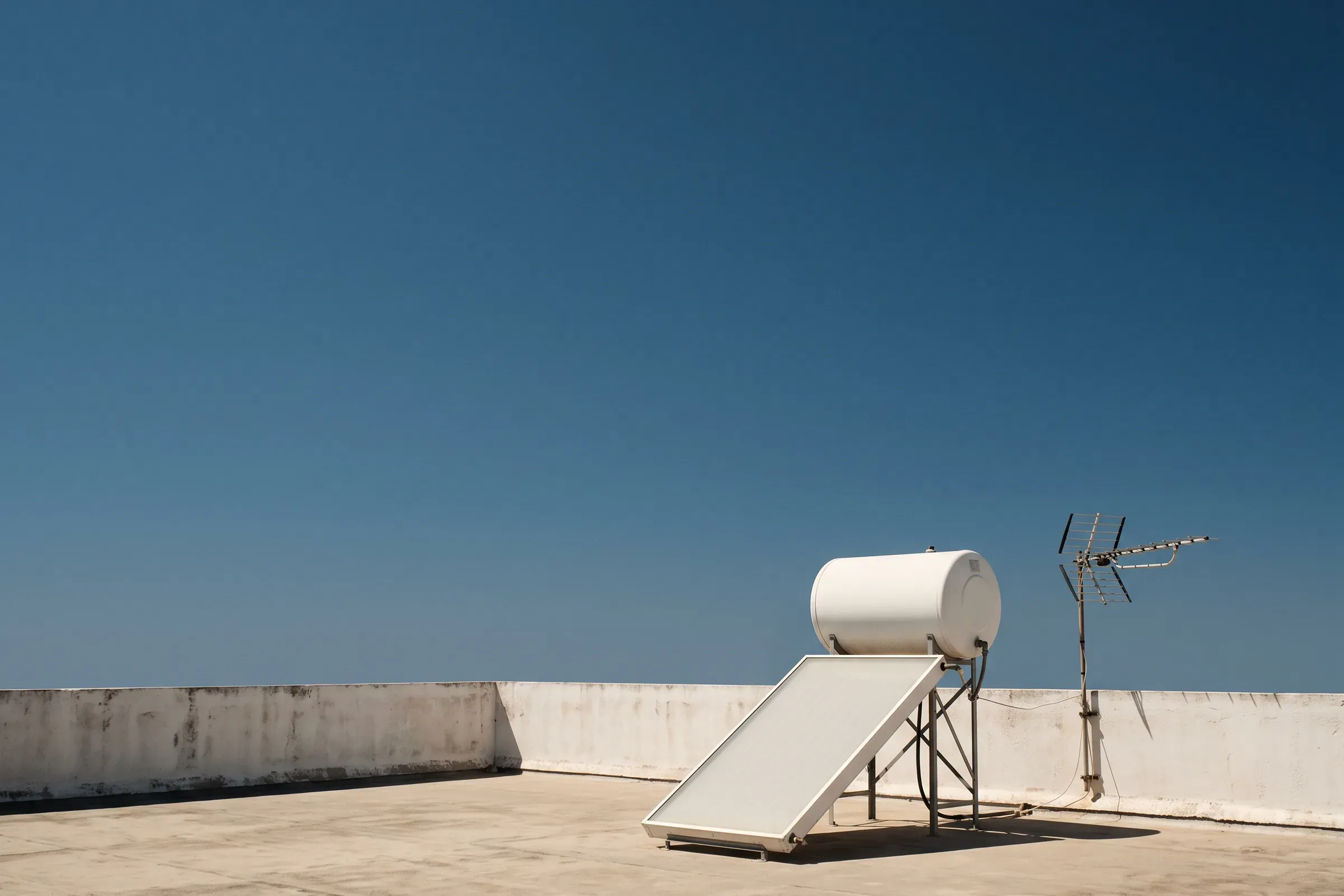
A roof lasts twenty-five years. A lift motor, fifteen. A facade needs repainting every ten or so, sooner by the sea. None of these are surprises, and all of them arrive as one. A reserve fund is the building’s way of not being surprised.
What it is
A separate line in the budget, a fixed amount every month, transferred from the building’s account into a reserve that is not touched for running costs. Over years it grows into the money for the roof. Without it, the roof is paid for with a one-off levy on every owner, in the month the roof fails, from whoever can pay that month.
Who decides
Today the committee does. The law as it stands does not require a reserve, so whether the building keeps one, and how much goes in each month, is the committee’s decision at the general meeting. Some committees ask for it in the first year. Many never do, because nobody put it on the agenda.
What the bill would change
The bill with parliament would make the reserve fund mandatory for every jointly owned building. It is one of six provisions, and nothing in it is in force yet. We put the reserve line in the budget of every building we run anyway, so that if the law arrives, the building already has the line and a balance on it. Where the bills stand is on the pinned entry.
If you change manager
The reserve fund is the building’s money. It stays with the building and passes to the next company together with the documents. A company that treats the reserve as its own has a different word for it, and it is not one you want in a contract.
How much
There is no rule. A building that has just been handed over can start small; an older one with a lift and a pool has more coming. What matters is that the line exists, that the amount is on the budget every owner can read, and that the balance is on every monthly statement.