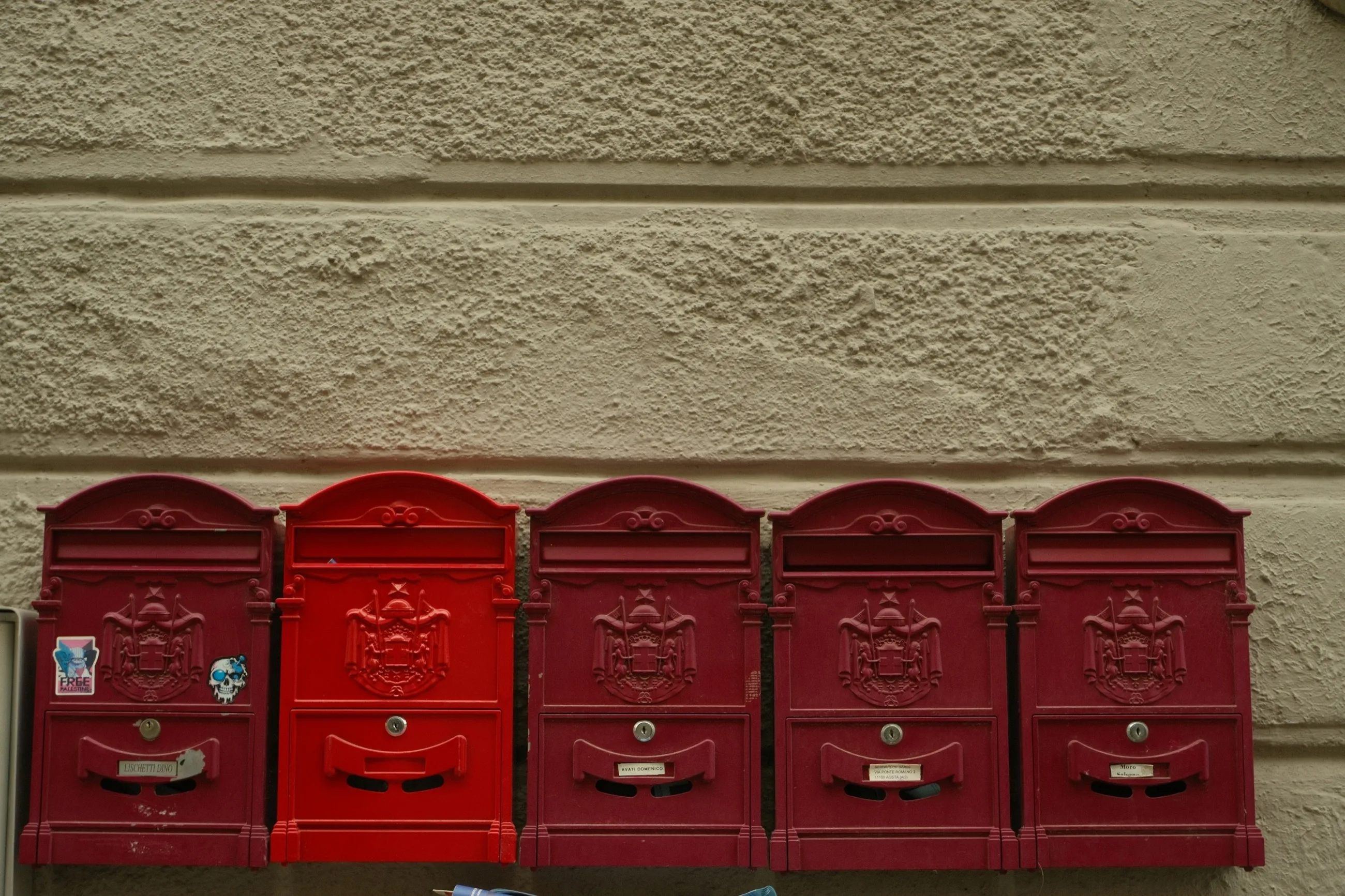
The €100 threshold
How a repair gets approved, why the threshold sits where it does, and what happens at three in the morning when the approval cannot wait.
Every management contract has a line about who decides on repairs. Most bury it. Ours puts a number on it: anything over €100 is approved by the committee before the work starts. Here is how that works in practice, and why the number is where it is.
Under €100
A lamp in the stairwell, a lock that sticks, a leaking tap in the common bathroom. Our own team fixes it, and the line appears on the monthly statement with the receipt under it. Asking the committee about a €30 lamp would be a way of not doing the work.
Over €100
The technician writes what is wrong, what it will take and what it will cost, and sends it to the committee in the app. The committee says yes, no, or asks for a second quote. Nothing moves before the yes. When the work is done, the line on the statement matches the decision the committee made, to the euro.
Why €100
Low enough that the committee sees every real repair, high enough that nobody spends a meeting on light bulbs. In a building of thirty apartments the threshold means the committee approves perhaps two or three things a month. That is a rhythm a volunteer can keep.
Three in the morning
A pipe bursts, water is coming through the ceiling, the committee is asleep. We act, then invoice. The line on the statement says it was an emergency and what was done. The decision is still visible, it was simply taken by the person on the phone, and the committee reads it the next morning. Emergencies are the only exception, and the contract names them.
Inside your apartment
The threshold is about the building. A tap in your own kitchen is a separate request to the same team, priced before anyone comes, paid by you, and it never touches the building’s account.